Disaster Relief and Emergency Assistance programs provide immediate and long-term support to communities affected by natural or man-made disasters. Their main goal is to save lives, reduce suffering, and help communities recover and rebuild.
Key activities include:
Emergency Response: Providing food, clean water, shelter, and medical care during and immediately after disasters.
Search and Rescue Operations: Helping locate and assist people in danger.
Health and Sanitation Services: Preventing disease outbreaks by setting up emergency health services and hygiene facilities.
Psychosocial Support: Offering mental health care and emotional support to affected individuals and families.
Reconstruction and Recovery: Assisting in rebuilding homes, schools, and infrastructure, and restoring livelihoods.
Preparedness and Risk Reduction: Training communities on disaster preparedness and building resilient systems to reduce future risks.
Qurbani Food Distribution Program
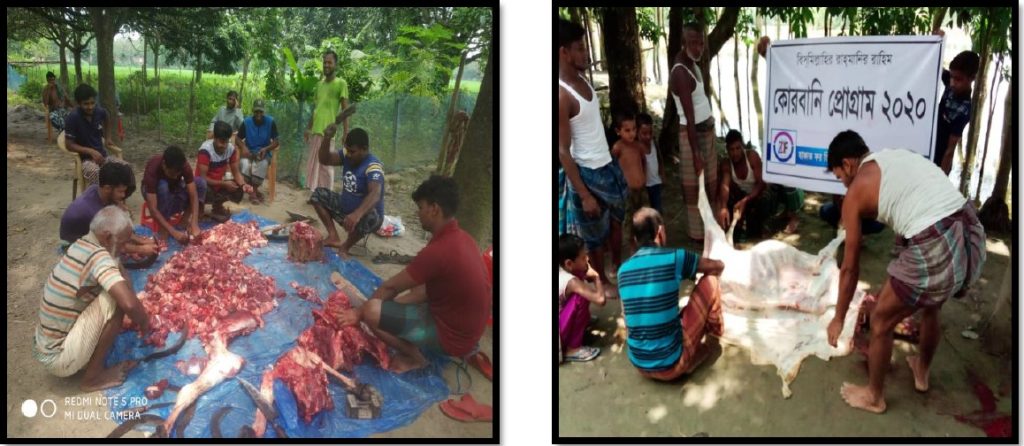
The Qurbani Food Distribution Program is organized to fulfill the religious obligation of Qurbani during Eid-ul-Adha while supporting vulnerable communities. The program focuses on providing fresh, hygienically processed meat to low-income families, orphans, widows, and disaster-affected populations.
Key components of the program include:
Qurbani Management: Ensuring the sacrifice is carried out in accordance with Islamic principles and health standards.
Meat Processing and Packaging: Handling and packaging meat safely to maintain quality and hygiene.
Targeted Distribution: Prioritizing the most vulnerable families in rural, remote, and underserved areas.
Community Engagement: Working with local leaders and volunteers to ensure fair and dignified distribution.
Promoting Social Solidarity: Sharing the joy of Eid and strengthening bonds within communities.
The Qurbani Food Distribution Program not only meets a critical food need but also spreads compassion, dignity, and hope among those who need it most.
Mosque Construction
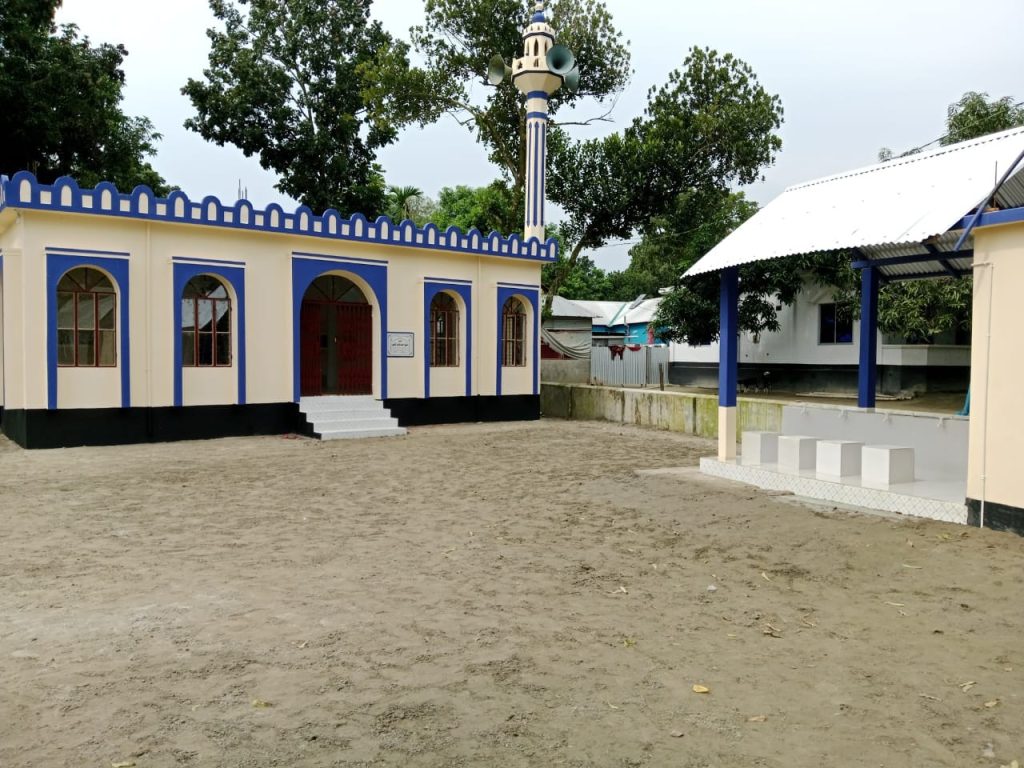
The Mosque Construction Program focuses on building and renovating mosques to serve as centers for worship, education, and community development. Mosques provide a vital space for daily prayers, religious gatherings, social services, and learning activities.
Key objectives of the program include:
Providing Access to Worship: Building mosques in underserved or remote communities where access to prayer facilities is limited.
Promoting Community Development: Creating spaces that host religious education, community meetings, and charitable activities.
Ensuring Quality and Sustainability: Constructing durable, safe, and accessible buildings that meet the needs of the community.
Fostering Social Unity: Strengthening ties among community members through shared worship and engagement.
Preserving Cultural and Religious Values: Supporting the spiritual growth and identity of Muslim communities.
The Mosque Construction Program helps nurture faith, education, and unity, building strong foundations for both spiritual and social wellbeing.